Best Scenic Bus Routes in the UK: 10 Journeys Worth Taking
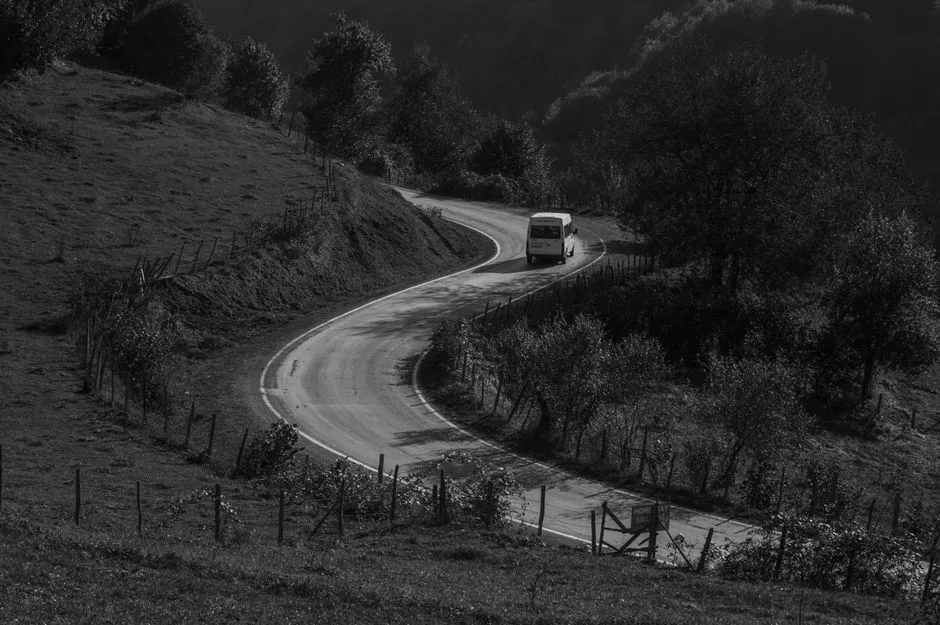
- What Is the Most Scenic Bus Route in the UK?
- The Best UK Scenic Bus Routes at a Glance
- 1. Coastliner 840: Leeds and York to Whitby
- 2. Stagecoach 555: Lancaster to Keswick
- 3. Glasgow to Fort William Through Glen Coe
- 4. Sherpa'r Wyddfa Around Eryri
- 5. West Cornwall: St Ives, Penzance and Land's End
- 6. Purbeck Breezer 50: Bournemouth to Swanage
- 7. Arriva X18: Newcastle to Berwick
- 8. TrawsCymru T4 Through Mid Wales
- 9. Needles Breezer, Isle of Wight
- 10. Breeze 77: Brighton to Devil's Dyke
- How to Plan a Scenic Bus Day Without Getting Stranded
- Bottom Line
What Is the Most Scenic Bus Route in the UK?
If we had one ticket and a clear day, we would take the Coastliner 840 from Leeds or York to Whitby. It earns our top spot by crossing the North York Moors, serving Pickering and finishing beneath Whitby's clifftop abbey. A Bus Users UK-sponsored nationwide public poll named the 840 Britain's most scenic bus route in 2018. For mountain drama, Glasgow–Fort William is the challenger; for lakes, choose the 555.
Those are scheduled services, not escorted sightseeing tours. You get a real journey, ordinary stops and the freedom to build your own day. You do not get commentary, a reserved top-deck throne or a guide waving an umbrella. Frankly, the sheep were unlikely to follow the umbrella anyway.
We are an independent publication, not a bus or coach operator, so nothing here is a service promise. This guide checks the landscapes against services operating in 2026 and links to current travel information. Timetables, diversions, fares and seasonal dates still change, so open the link again shortly before travelling. A bus article is inspiration; it is not legally binding on Tuesday's roadworks.
The Best UK Scenic Bus Routes at a Glance
| Rank | Current service or network | Best for | Main scenery |
|---|---|---|---|
| 1 | Coastliner 840, Leeds–Whitby | Best all-round ride | North York Moors and Whitby |
| 2 | 555, Lancaster–Keswick | Lakes without a car | Windermere, Grasmere, Thirlmere |
| 3 | Citylink 914/915/916, Glasgow–Fort William | Biggest mountain drama | Loch Lomond, Rannoch Moor, Glen Coe |
| 4 | Sherpa'r Wyddfa network | Walking connections | Yr Wyddfa, Llanberis Pass, Ogwen |
| 5 | Cornwall 7 and connecting western routes | Atlantic coast | Penwith cliffs, St Ives, Land's End |
| 6 | Purbeck Breezer 50 | Sea-and-ferry novelty | Sandbanks, Studland, Swanage |
| 7 | Arriva X18, Newcastle–Berwick | Castles and coast | Warkworth, Craster, Bamburgh |
| 8 | TrawsCymru T4, Merthyr Tydfil–Newtown | Long Welsh landscapes | Brecon, Wye country, Powys hills |
| 9 | Needles Breezer | Open-top cliff road | Freshwater Bay, Alum Bay, Needles |
| 10 | Breeze 77, Brighton–Devil's Dyke | Easiest city add-on | South Downs and Weald views |
The ranking rewards scenery, planning ease and useful stops, and distinguishes local buses from reservable coaches and concessionary-pass exceptions. It does not pretend that Glen Coe and the Needles can be measured with the same ruler. Britain has tried standardising many things; fortunately, views escaped.
1. Coastliner 840: Leeds and York to Whitby
The current Coastliner 840 runs from Leeds through York, Malton, Pickering and Thornton-le-Dale to Whitby on through journeys. The first half is a useful cross-Yorkshire bus. Beyond Pickering, it becomes a proper scenic event: stone villages, open moorland, long heather views and the descent towards the North Sea.
Best plan: join in York if you want less city mileage, stop in Pickering for the North Yorkshire Moors Railway, or ride through to Whitby. Check the individual journey carefully because not every departure on the shared 840/843 corridor reaches Whitby.
Best seat: upstairs at the front for broad moorland views; take whichever window is actually free rather than starting a small constitutional crisis.
2. Stagecoach 555: Lancaster to Keswick
The 555 is the Lake District's grand through-route. Stagecoach's current 555 page confirms Lancaster–Keswick via Windermere, Ambleside and Grasmere.
The scenery keeps changing: the shores and wooded slopes around Windermere, glimpses of Rydal Water, Grasmere's tight valley and the run beside Thirlmere beneath the central fells. It is the best choice here for travellers who want several worthwhile stops on one line.
Best plan: start at Windermere railway station for a shorter day, break at Grasmere, then continue to Keswick. Confirm whether your chosen journey runs through or needs a connection; seasonal schedules alter the pattern.
3. Glasgow to Fort William Through Glen Coe
Scottish Citylink services 914, 915 and 916 cover the Glasgow–Fort William corridor on current registrations. This is a reserved long-distance coach journey rather than a local hop-on bus, so search the live journey on Scottish Citylink and book the specific departure.
The road follows Loch Lomond, reaches Tyndrum, crosses the exposed space of Rannoch Moor and drops through Glen Coe between steep mountain walls. On pure spectacle it could be number one; it ranks third only because spontaneous stopovers are harder on a booked coach.
Best plan: ride through to Fort William unless you have confirmed both an appropriate stop and an onward journey. Pack as you would for a substantial trip; our long coach journey tips cover food, layers and comfort without suggesting you bring a chaise longue.
4. Sherpa'r Wyddfa Around Eryri
Sherpa'r Wyddfa is a connecting network rather than one linear route. Its 2026 timetables link walking bases and mountain corridors around Yr Wyddfa, including Llanberis, Betws-y-Coed, Beddgelert and Pen-y-Pass on different services.
The network exists partly to ease pressure on national-park car parks. Ride beneath the mountains, walk between served points and return without circling back to a car. The Llanberis and Ogwen areas deliver some of the rockiest roadside scenery in Wales.
Best plan: choose the walk first, then build it around two confirmed bus times with a generous buffer. Mountain weather and full buses do not care how elegant your spreadsheet looked at breakfast.
5. West Cornwall: St Ives, Penzance and Land's End
The old Land's End Coaster branding and routing have changed. That is precisely why screenshots from an old blog are poor travel companions. The current Transport for Cornwall service 7 runs mainly St Ives–Zennor–Pendeen–St Just–Sennen–Land's End; only selected journeys serve Penzance, and other western routes complete the network.
The reward is granite country, Atlantic light, exposed headlands and villages that appear to have been wedged into coves with a cake slice. Not every journey is open-top, and current routings may not recreate the former circular ride.
Best plan: pick two anchors—St Ives and Land's End, for example—then use the live planner to confirm the exact through journey or connection in each direction.
6. Purbeck Breezer 50: Bournemouth to Swanage
The Purbeck Breezer 50 links Bournemouth and Swanage via Sandbanks, the chain ferry and Studland. Few scheduled buses improve their day by boarding a boat, so the ferry crossing supplies an excellent middle act. On the Purbeck side, heath, beaches and Swanage Bay replace Bournemouth's urban coast.
Best plan: pair Studland or Swanage beach with a connecting Purbeck route to Corfe Castle's ruined hilltop keep. Check the operator's ferry information before departure: when the Sandbanks Ferry is unavailable, the bus may divert or a replacement timetable may apply.
Open-top operation can depend on season and conditions. Sea air is part of the charm until it rearranges your sandwich.
7. Arriva X18: Newcastle to Berwick
The current X18 runs between Newcastle and Berwick-upon-Tweed on selected journeys via Morpeth, Alnwick and the coast, including Craster, Seahouses and Bamburgh. This is the list's best castle sequence: Warkworth, Dunstanburgh, Alnwick and Bamburgh all sit on or near the corridor.
It is also a very long local bus ride. The live timetable shows that not every X18 works the whole route, so match the exact departure to your destination rather than assuming the route number is a magic carpet.
Best plan: take the train to Alnmouth or bus to Alnwick, then use the coastal section for a more relaxed day. Craster to Dunstanburgh and Seahouses to Bamburgh are strong combinations. Seahouses has Farne Islands boat trips; Alnwick supplies the famous Barter Books.
8. TrawsCymru T4 Through Mid Wales
The T4 has changed from the older Cardiff-through-service descriptions still circulating online. The published 2026 timetable lists Merthyr Tydfil–Newtown via Brecon, Builth Wells and Llandrindod Wells.
Brecon was a railway town, and the Wye Valley line through Rhayader closed in 1962—part of why this bus corridor still matters. The ride trades one blockbuster view for hours of green uplands and small Welsh towns. Brecon supplies the Bannau Brycheiniog setting; the route north then follows the quieter landscapes of Powys.
Best plan: use Brecon or Builth Wells as a break point, but verify the last onward bus first. This is a strategic long-distance network, not a turn-up-every-ten-minutes city service.
9. Needles Breezer, Isle of Wight
Southern Vectis' Needles Breezer runs between Yarmouth, Freshwater Bay, Alum Bay and the Needles Battery on its published 2026 season. The cliff-climbing final section makes this the most concentrated burst of scenery in the ranking: chalk, open sea and the Needles lighthouse offshore.
Best plan: arrive by ferry at Yarmouth, complete the loop and add a walk around Freshwater Bay or Tennyson Down. This is a premium seasonal Breezer, and the operator states that ordinary concessionary bus passes are not accepted, so check the current ticket required rather than assuming “bus pass” covers every open top.
10. Breeze 77: Brighton to Devil's Dyke
The Breeze 77 timetable connects Brighton Pier, the city centre and station with Devil's Dyke. Brighton & Hove City Council says the 77 runs Saturdays, Sundays and bank holidays year-round except 25 December. Check the linked operator timetable for your date.
The climb is short, but the arrival is superb: open chalk downland and views north across the Weald. It is the easiest route here to add to a rail-based city break.
Best plan: ride up, walk a section of the South Downs Way and return on the 77 or another confirmed bus from your walk's endpoint. Carry water and a layer; “only half an hour from Brighton” does not make the ridge indoor furniture.
How to Plan a Scenic Bus Day Without Getting Stranded
Use this order:
- Open the official route page for your travel date, not merely the route's name in a search result.
- Identify the last two workable return journeys. Treat the earlier one as your target and the later one as backup.
- Check service alerts, seasonal dates and ferry or weather dependencies.
- Confirm whether the journey is local bus, premium tourist bus or reservable coach.
- Download or screenshot both directions where signal may disappear.
- Check concessionary-pass validity with the operator. Our English bus-pass guide explains the national scheme, but premium and cross-border services can follow different rules.
For the view, the upper deck is usually best; for motion sensitivity or luggage, downstairs near the middle is kinder. Do not block the aisle to defend a “best side” recommendation from the internet—the road curves, and Britain has scenery on both sides.
England's fare-cap schemes can make many local-bus singles inexpensive, but terms change; confirm the current cap and route eligibility. For the view, ride into the light: coast often looks better in one direction in the morning and the other later.
Bottom Line
Take the Coastliner 840 for the best complete scenic bus day, the 555 for classic Lake District variety, and the Glasgow–Fort William coach for maximum mountain theatre. Choose Sherpa'r Wyddfa for a walking day, X18 for castles, and the Needles or Purbeck Breezers when the ride itself should feel like a holiday.
Most importantly, verify the exact journey. Landscapes are reassuringly stubborn; timetables are more experimental.